

can fashion predict the economy?
What Trends Can Reveal About the State of the World
When you think of fashion, you probably think of runway models, magazines, luxury window shopping, and endless racks of clothing. But when you think of the economy, your mind likely goes to inflation, the job market, real estate, and Wall Street. At first glance, the two seem completely unrelated.
But what if I told you they're actually connected?
During times of financial uncertainty, we often turn to economists, stock market analysts, and financial news to understand where the world is headed. Yet some of the most telling indicators may have already been predicted by the fashion industry.
Throughout history, fashion has acted as a mirror of culture, showing us how consumers spend during both wealth and hardship. From the rise of lipstick sales during recessions to the return of modest dressing during uncertain times, what we wear, and what is trending at the moment, often reveals far more about the world than we realize.
The Lipstick Index: Why Beauty Booms During Recessions
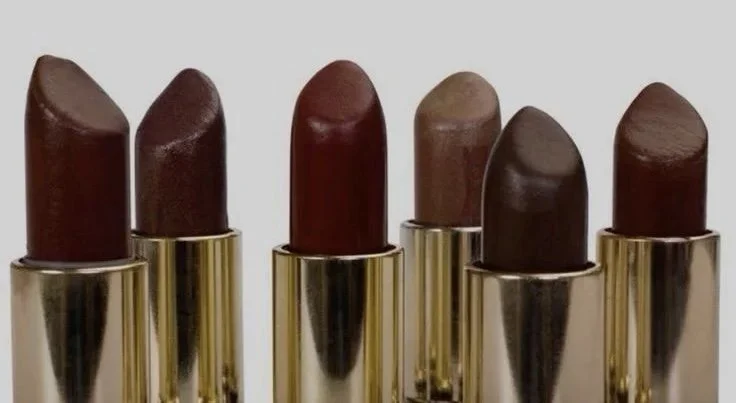
My first claim is the Lipstick Index and why the beauty industry tends to boom during recessions.
When expenses are tight, people do not necessarily want to stop shopping altogether. There is still a desire for a small luxury or treat. As a result, consumers often purchase affordable luxury items, such as lipstick, during economic downturns.
The term "Lipstick Index" was coined by Estée Lauder chairman Leonard Lauder following the economic slowdown after the September 11 attacks, when he observed increased lipstick sales despite declining consumer spending. Lipstick sales reportedly rose by 11 percent in the fall of 2001 (Lauder, 2001).
Similarly, during the Great Depression, cosmetics sales increased by approximately 25 percent, suggesting that consumers went out of their way for affordable indulgences during difficult economic periods (Shahnazari, as cited in FinlyWealth, 2025).
A modern example of this could be the popularity of lip oils, glosses, luxury fragrances, and even nail polish, referred to as the "Nail Polish Index." Consumers may cut back on high-ticket purchases while still treating themselves to smaller luxuries. In other words, they trade down in big purchases while trading up in affordable indulgences.
The Hemline Index: Can Skirt Length Predict Consumer Confidence?
My next theory is the Hemline Index. The basic idea is simple: the shorter the skirt, the more people spend. The longer the skirt, the more people may be holding onto their wallets.
Economist George Taylor first proposed the Hemline Index in 1926, arguing that skirt lengths tend to rise during prosperous periods and fall during economic downturns (Taylor, 1926). One of the most well-known examples is the 1920s. During this period of great affluence and economic growth came the flapper era and its iconic shorter hemlines.
However, modern academic research shows mixed evidence. A 2020 study published in the International Journal of Fashion Design, Technology and Education found little statistical support for the theory, suggesting that hemlines may reflect cultural mood more than directly predict recessions (Škrinjarić, 2020).
Still, I think the theory is interesting, especially when looking at fashion today. We are currently seeing a rise in more conservative silhouettes. Midi and maxi skirts continue to dominate, while polished tailoring, office-inspired dressing, and refined aesthetics have become increasingly popular.
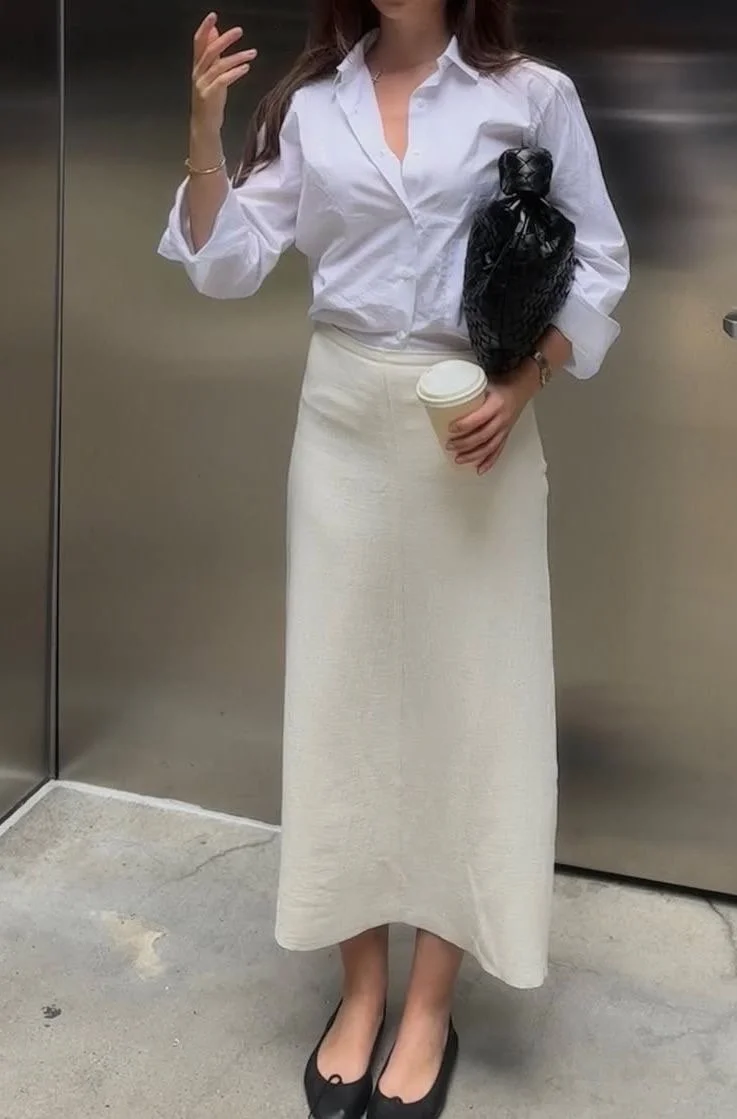
This makes me wonder: does today's preference for modest, sophisticated dressing signal economic caution?
The Return on Investment Dressing
Another indicator worth looking at is the return on investment dressing, particularly when examining today's shopping habits.
I have especially noticed on Pinterest and social media that consumers are shopping more cautiously and asking themselves questions before making a purchase: Is this worth the price? Is this a good investment? Will I still wear this in five years?
Rather than chasing every trend, shoppers are increasingly gravitating toward timeless pieces, capsule wardrobes, quality tailoring, neutral palettes, and high-quality fabrics.
During periods of economic uncertainty, consumers often become more intentional with their purchases. They prioritize quality, longevity, and cost per wear over excessive consumption. The popularity of quiet luxury and investment dressing suggests that consumers are increasingly looking for pieces that offer both practicality and long-term value (Bain & Company, 2026).
Luxury Handbags as Financial Assets
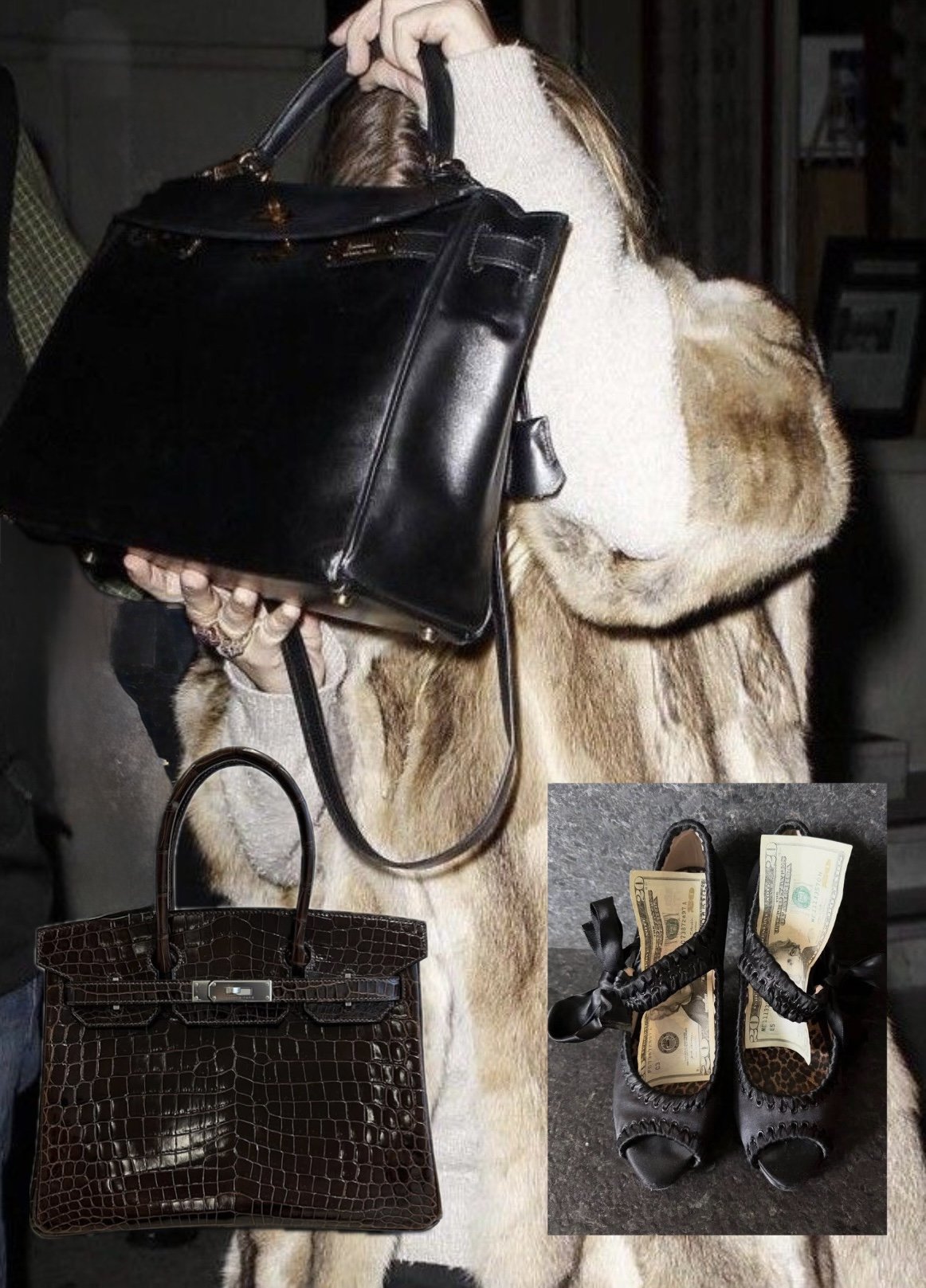
My fourth claim is that luxury handbags are increasingly being viewed as financial assets.
Yes, a handbag.
Think about famous works of art and how they often increase in value over time, sometimes selling for millions of dollars. In many ways, certain fashion pieces are beginning to be viewed similarly. Fashion has long been recognized as an art form, and some pieces can hold or even appreciate in value over time.
Take the Hermès Birkin, for example. Certain Birkin and Kelly bags have demonstrated strong value retention and appreciation in the resale market (Vogue Business, 2026). Some Birkin bags that originally retailed for around $9,000 are now reselling for $30,000 or more, depending on rarity, condition, and material.
How crazy is it that a handbag can appreciate in value?
In fact, the original Hermès Birkin prototype once owned by Jane Birkin sold at auction for over $1 million, showing just how valuable certain fashion pieces can become over time.
Additionally, the global secondhand apparel market is projected to reach $393 billion by 2030, highlighting growing consumer interest in resale and investment purchasing, particularly in luxury handbags and accessories (Times of India, 2026).
As consumers become more careful with their spending, luxury handbags are increasingly viewed not simply as accessories, but as long-term investments with resale potential.
Fashion Reflects Our Collective Mood
Fashion does not simply respond to economics. It also responds to emotion.
Following the COVID-19 pandemic, consumers embraced bright colors, sequins, metallics, and maximalist aesthetics, often referred to as "dopamine dressing," as a direct response to long isolation and uncertainty (Marie Claire, 2026).
Think about "Barbie pink," which seemed to take over fashion following the release of Barbie. People wanted to have fun, express themselves again, and embrace fashion as a form of escapism.
Researchers studying pandemic behavior note that major societal disruption can cause lasting changes in consumer preferences and lifestyle habits (Salon et al., 2021).
Within our current situation, we are seeing more vintage shopping, thrifting, romantic dressing, and prep-inspired aesthetics. This suggests that people may be seeking comfort, nostalgia, stability, and familiarity during times of economic and social uncertainty.
Can Fashion Actually Predict the Future?
Fashion data is not necessarily concrete evidence, and fashion should not be viewed as an exact forecasting tool. However, consumer behavior often changes before economic data does. Designers and retailers respond to changing consumer attitudes in real time, and trends can offer clues about confidence, anxiety, and spending habits.
There are also several other fashion indicators worth mentioning. The "High Heel Index" suggests that higher heels become more popular during periods of economic optimism. The "Men's Underwear Index," famously followed by former Federal Reserve Chairman Alan Greenspan, suggests that declining underwear sales may signal financial distress as consumers delay replacing necessities. More recently, the rise of fashion dupes has highlighted how economic pressures can drive consumers toward more affordable alternatives.
The next time a trend emerges, look beyond aesthetics. Fashion may not predict the future with certainty, but it often tells us what society is feeling long before economists put it into words.
-NF
